Athlete Studies
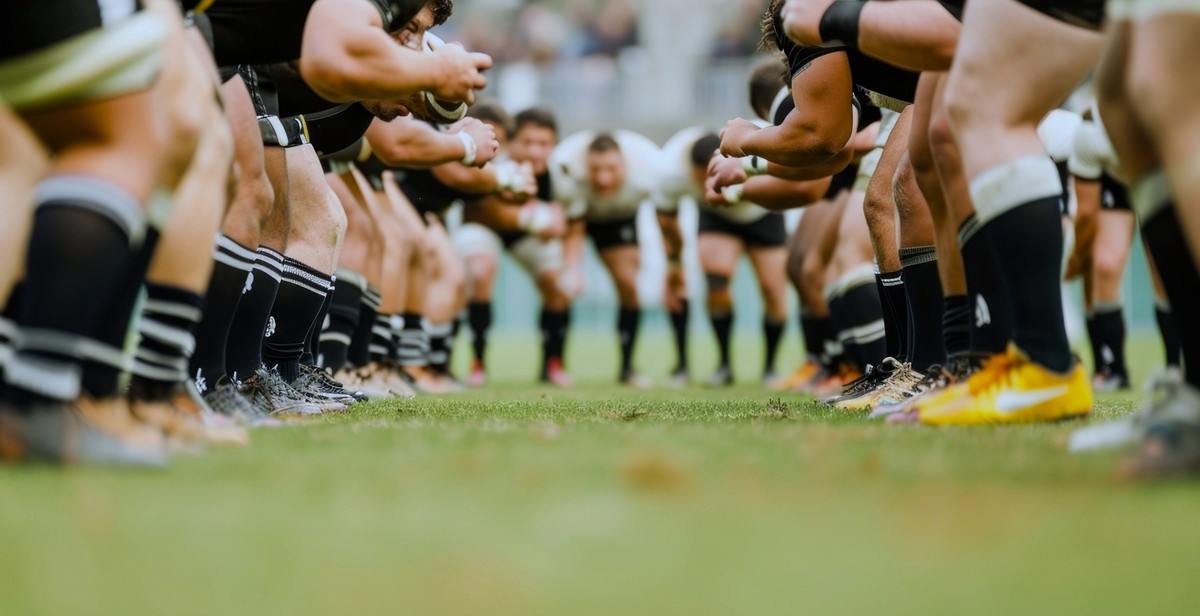
Two rugby teams crouched in scrum formation on a grassy field, wearing black and white uniforms. The scene is tense and focused, capturing sportsmanship.
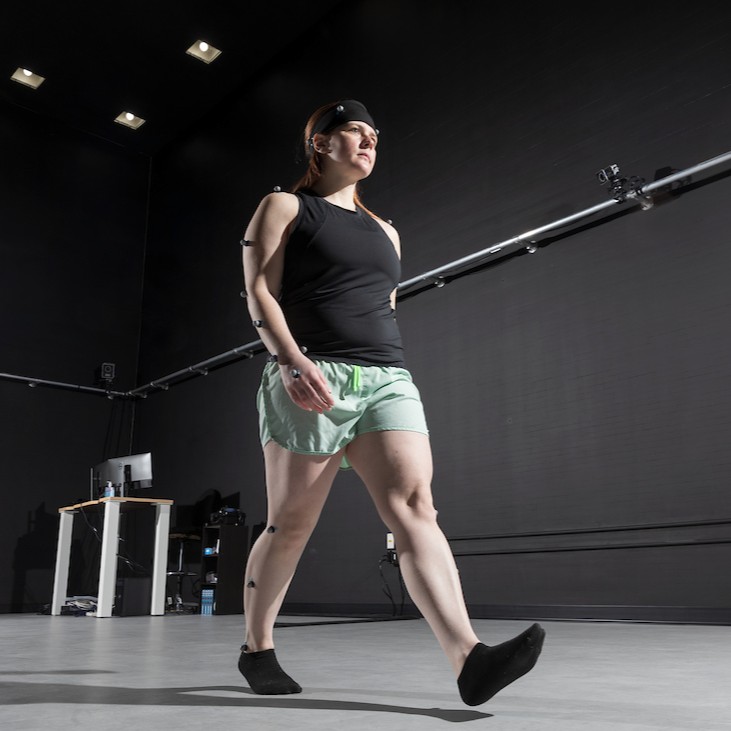
A woman wearing motion capture sensors, black top, and green shorts confidently walks in a high-tech lab, conveying determination and focus.

Advancing Brain Health Post-Concussion


Concussion can disrupt attention, movement, and decision-making in ways that extend far beyond the moment of injury. Whether on the road or on the field, these changes affect safety, performance, and the ability to return confidently to everyday activities.

Our laboratory is dedicated to understanding how concussion impacts real-world function: including driving, athletic performance, and recovery over time.

We study cognitive, neuromotor, and oculomotor function in simulated and naturalistic settings, comparing recovery trajectories across driving environments and levels of sport contact. Through partnerships with athletes, clinicians, and community organizations, we aim to translate research into evidence-based tools that inform safer return-to-play and return-to-drive decisions.

Moving Forward:

Enhancing Lifelong Mobility and Independence

Stylized icon of a person playing hockey, with a black figure holding a blue stick and facing a blue puck

Sport

Concussion

Examining a smartphone-based evaluation of motor/cognitive function.

Learn more
An abstract brain figure

Post-Concussion

Driving

Determining a holistic approach in assessing fall-risk.

Learn more

Sport Contact and Brain Function


This project examines differences in brain, balance, and motor performance between athletes in high-contact and low-contact sports. Using longitudinal assessments across the competitive season, we track changes in neuromotor, oculomotor, and cognitive function to better understand how sport contact level relates to recovery and long-term brain health.

Collaborators: Stanley Hunter (UHS), Max Kammerman (UHS)
A man wearing motion capture gear, with sensors on his face and arms, stands in a dimly lit room. He holds a card, appearing focused and engaged.

Longitudinal Concussion Driving Study


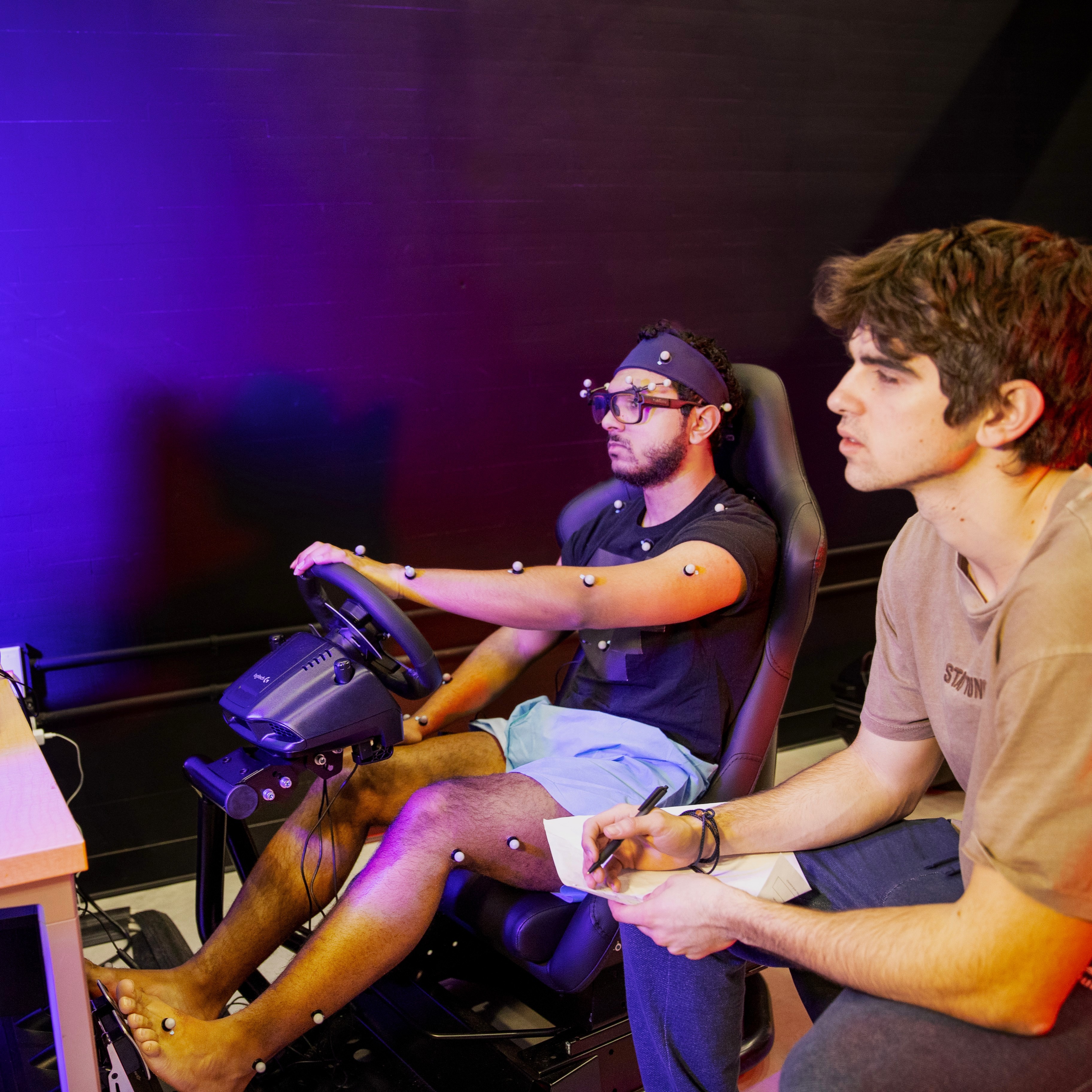
This study investigates how concussion affects driving behavior, attention, and decision-making in a simulated driving environment. Participants complete driving and takeover tasks in both conditionally autonomous and fully human-driven vehicles within two weeks of concussion and again one month post-injury. By tracking changes in cognitive and driving performance over time, this work aims to improve understanding of recovery and support safer return-to-drive decisions following concussion.

Collaborators: Dr. Chao Shi (SSIE), Dr. Michael Dulas (Psychology), Dr. Stanley Hunter (UHS), Dr. Max Kammerman (UHS)
Two people are in a dimly lit room. One is using a driving simulator with motion capture dots visible on his body, while the other takes notes attentively.