Older Adult Studies
Taking steps toward healthy aging
As we age, movement becomes ever more important. The ability to walk, balance, and move safely shapes not
only physical health but also independence, confidence, and overall quality of life. Mobility determines how
older adults engage with their communities and preserve autonomy.
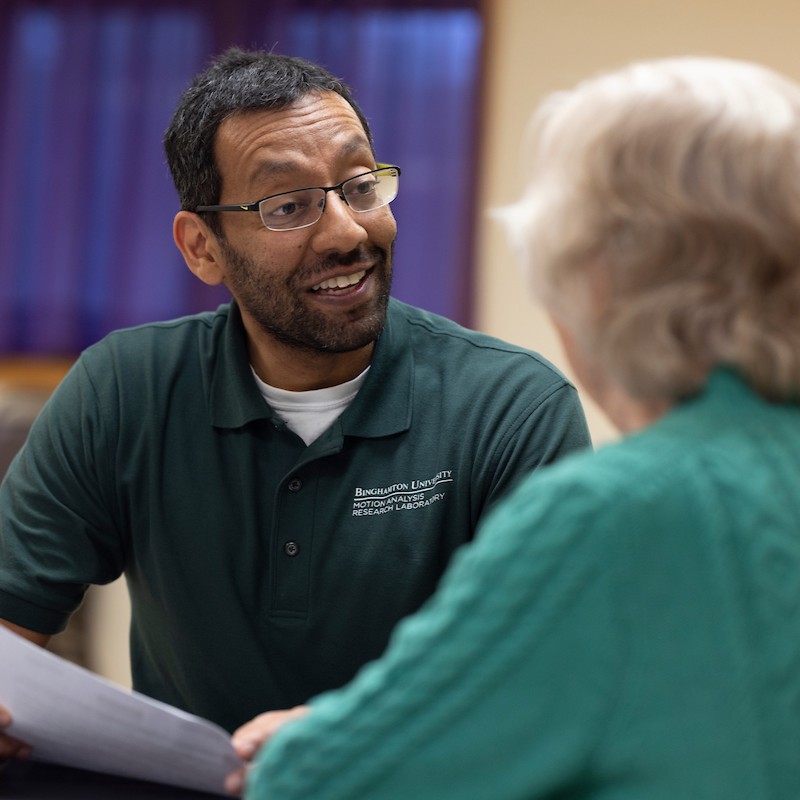
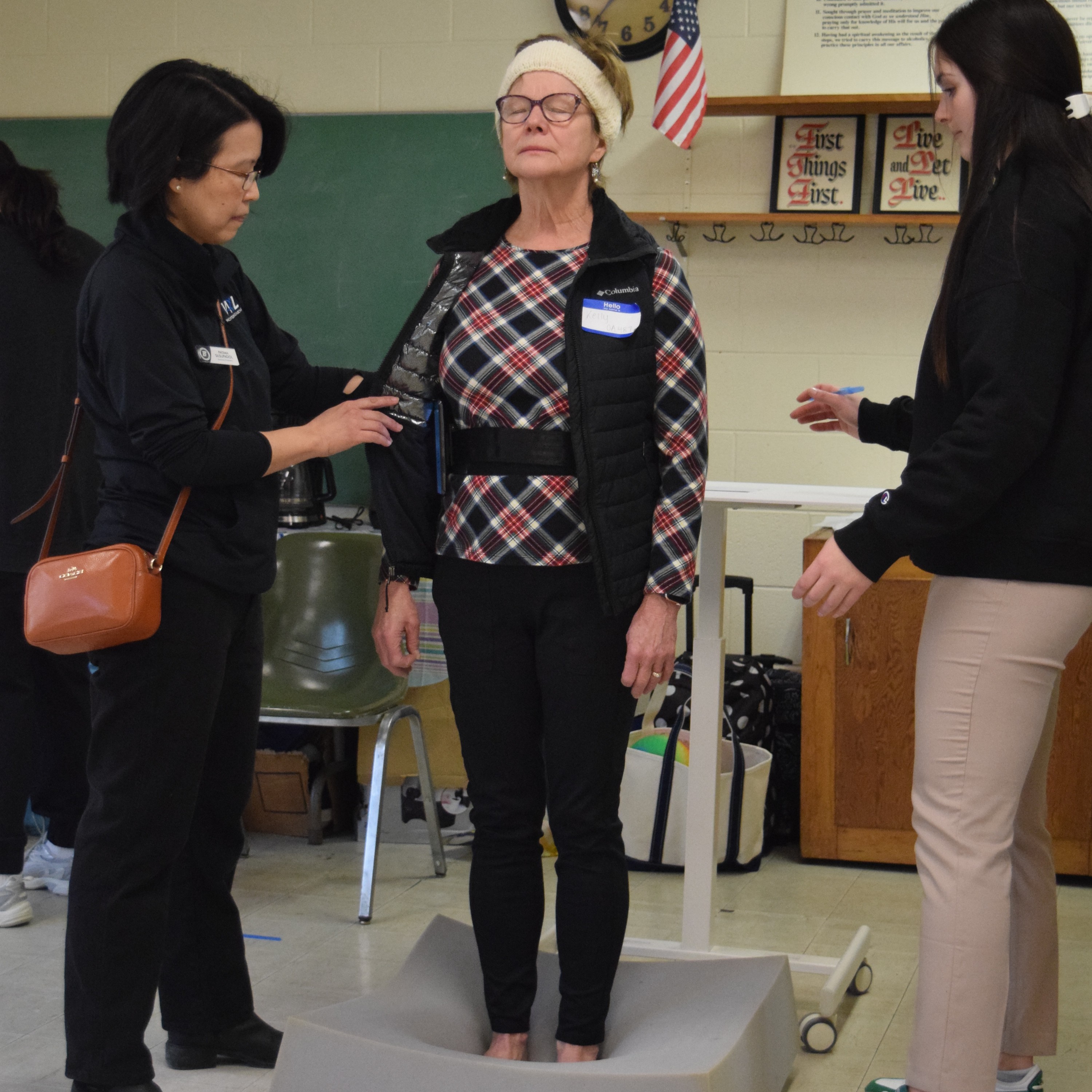
Our laboratory is dedicated to improving the health, independence, and quality of life of older adults
through innovative, technology-driven research.
We partner with community organizations (Broome County Office for Aging, Indian Cultural Centre, Center for
Civic Engagement), clinicians, and researchers to translate science into practical tools that promote safe
mobility, balance confidence, and fall prevention.
Moving Forward:
Enhancing Lifelong Mobility and Independence



Dashboard
Feedback
Exploring the interactions between technology, patients, and clinicians.
Learn more
Longitudinal Fall Risk Evaluation
Collaborators: Dr. Gregory Hallenbeck, Broome County Office for Aging, & Indian Cultural Centre
Balance Intervention
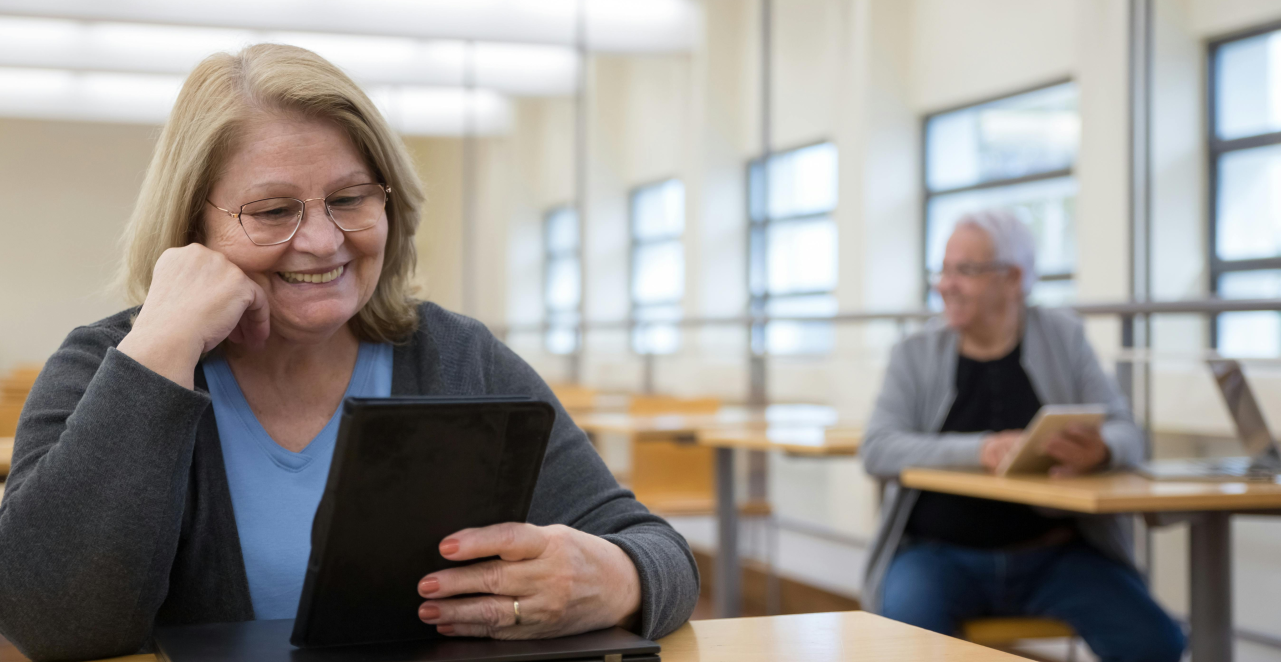
- Determine the feasibility (compliance and time to complete) of a smartphone application to assess psychosocial parameters, balance, gait, and cognitive performance in older adults.
- Determine the utility of a smartphone application to identify longitudinal changes in balance, and predict the risk of falls in older adults.
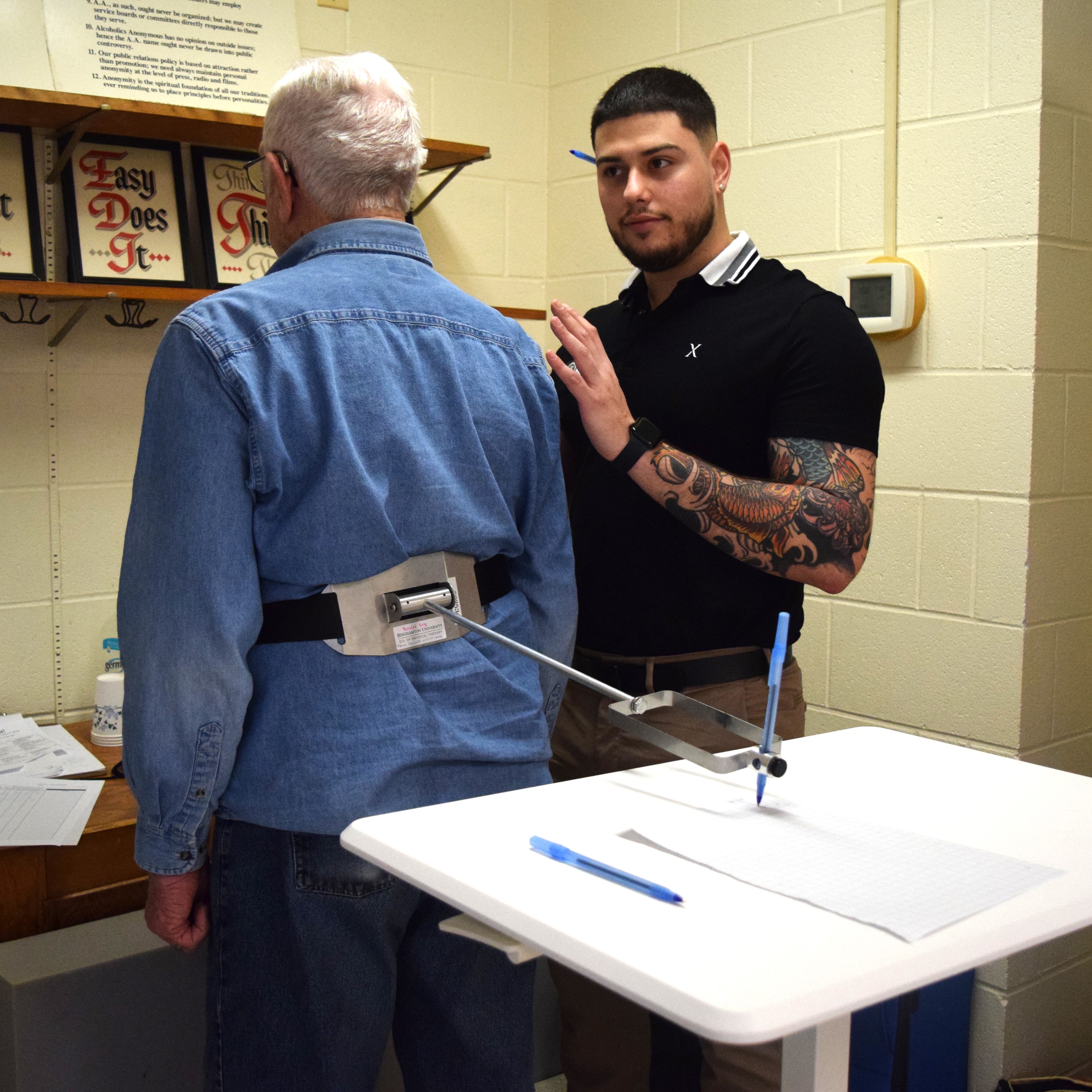
- Assess if a home-based smartphone single-task motor training improves balance performance under single and dual task conditions among older adults.
Dissemination Dashboard Feedback
Collaborators: Dr. Gregory Hallenbeck, Dr. Alessandro Segalini, Dr. Patima Silsupadol, Broome County Office for Aging
Longitudinal Changes in Parkinson's Disease
Collaborators: Dr. Christopher Bishop, Dr. Peter Wu, Dr. Jessica Underwood